

This is a simple, effective back-and-biceps session built around the big pulls (for thickness + width) and smart biceps work (for size without elbow pain). It’s written so you can walk into the gym and follow it exactly.
Who this is for: beginners to advanced lifters
Time: 60–75 minutes
Frequency: 1–2x/week (leave 48–72 hours before repeating)
Goal: stronger back, bigger biceps, better posture, healthier shoulders
What You’ll Need
- Pull-up bar (or lat pulldown)
- Barbell or dumbbells
- Cable machine (or chest-supported row machine)
- Bench (optional)
Warm-Up (6–8 minutes)
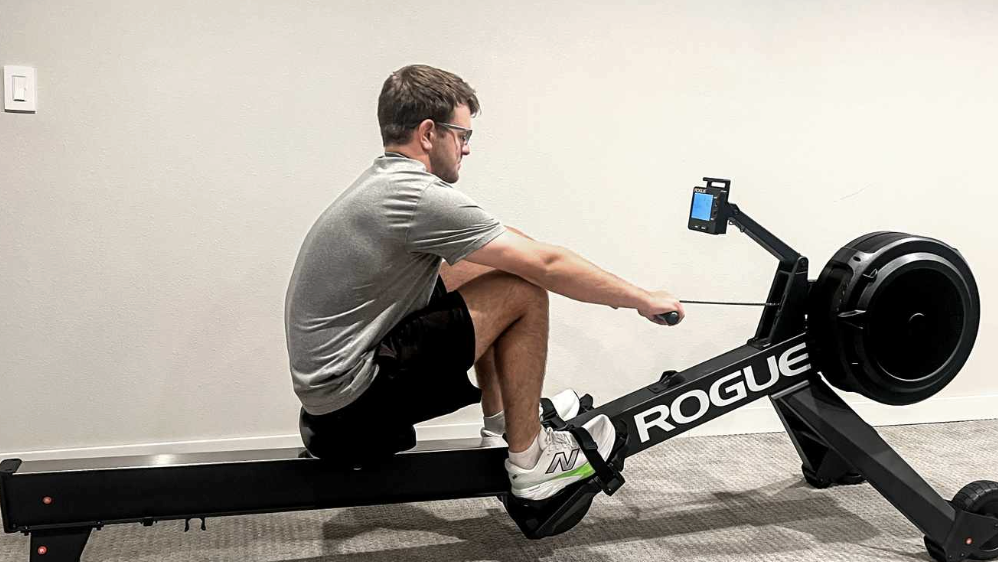
Easy cardio (bike/rower) – 2 minutes
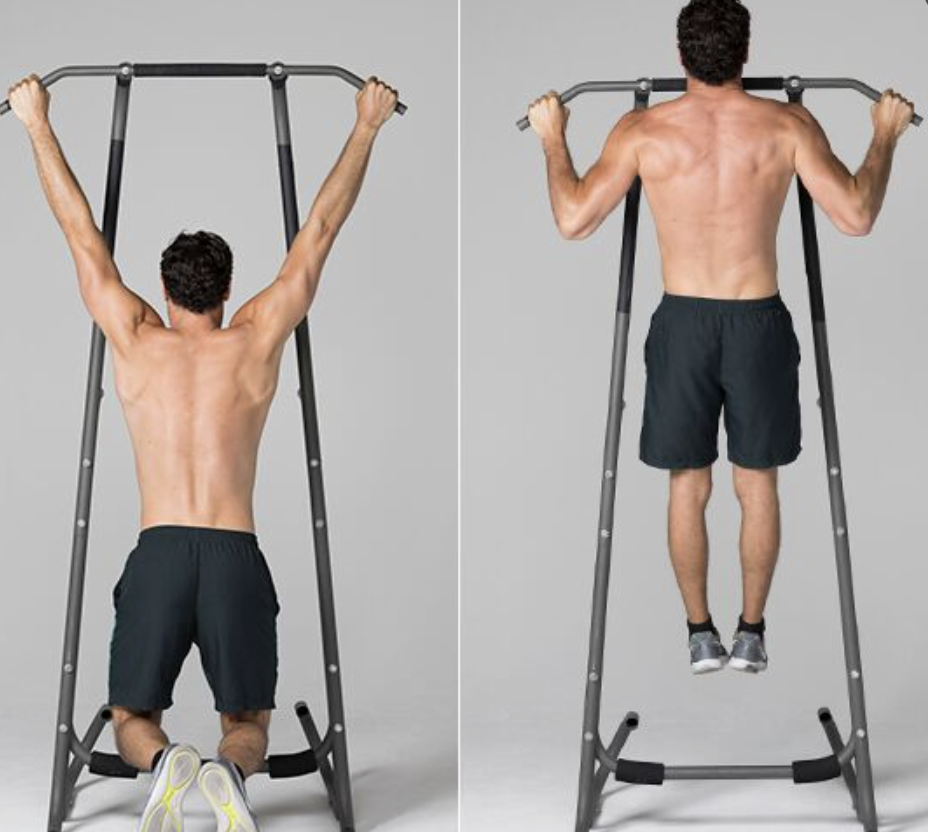
Scap pull-ups (hang and only move shoulder blades) – 2 sets of 6–10
If you can’t hang, do banded scap retractions instead.
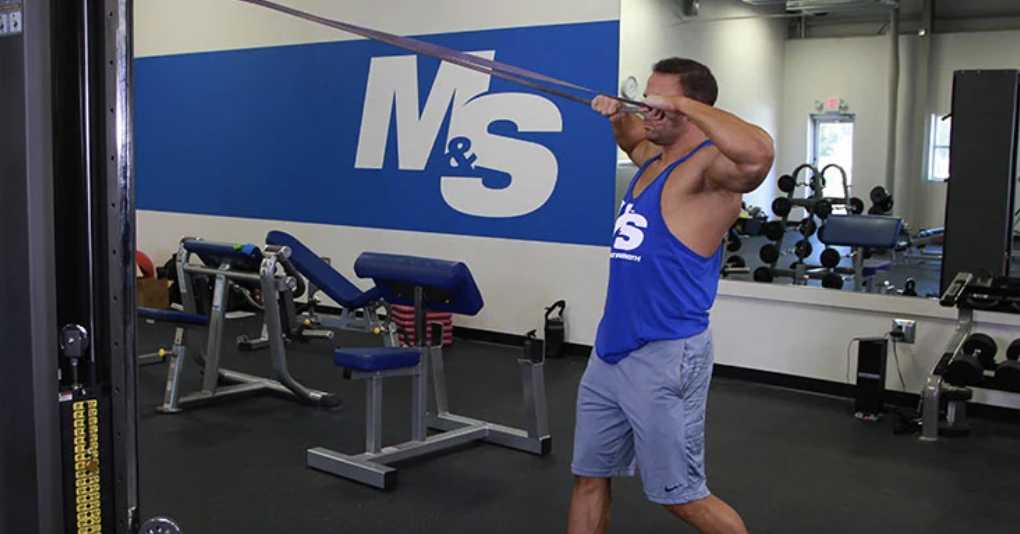
Band face pulls – 2 sets of 12–15
- Light set of your first two exercises – 1 set each, easy
Warm-up goal: shoulders down and back, lats “awake,” elbows feeling good.
The Workout
1) Pull-Ups (or Lat Pulldown) — Back Width
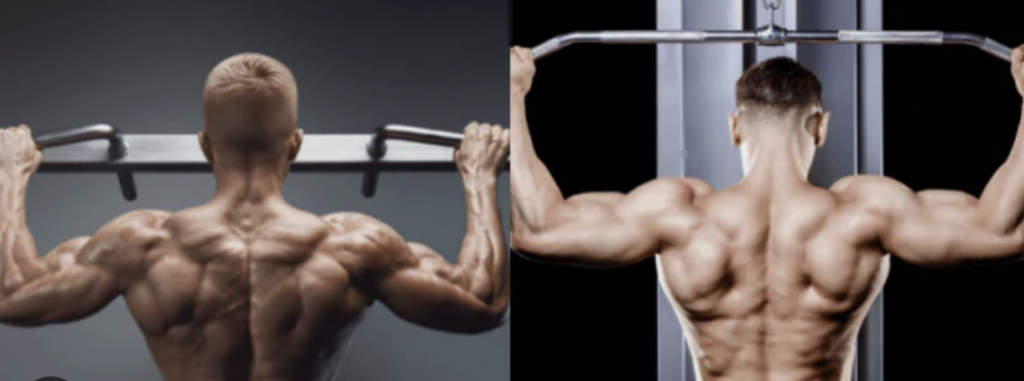
3–5 sets of 5–10 reps
Rest 90–150 seconds
How to do Pull-Ups (full instructions)
- Grip: slightly wider than shoulder width.
- Start: hang tall, ribs down, legs slightly in front.
- Pull: drive elbows “down to your pockets,” chest up.
- Top: chin over bar (or chest close to bar), squeeze lats for 1 second.
- Lower: control down 2–3 seconds to full hang.
If pull-ups are hard: use an assisted machine or band.
If they’re easy: add weight once you can hit 10 reps clean.
How to do Lat Pulldown (if no pull-up bar)
- Sit tall with thighs locked under pads.
- Pull the bar to upper chest (not behind neck).
- Elbows go down and slightly back.
- Slow return until arms are straight.
Form rule: no swinging. If you’re rocking, the weight is too heavy.
2) Chest-Supported Row (or Seated Cable Row) — Back Thickness
4 sets of 8–12 reps
Rest 90 seconds
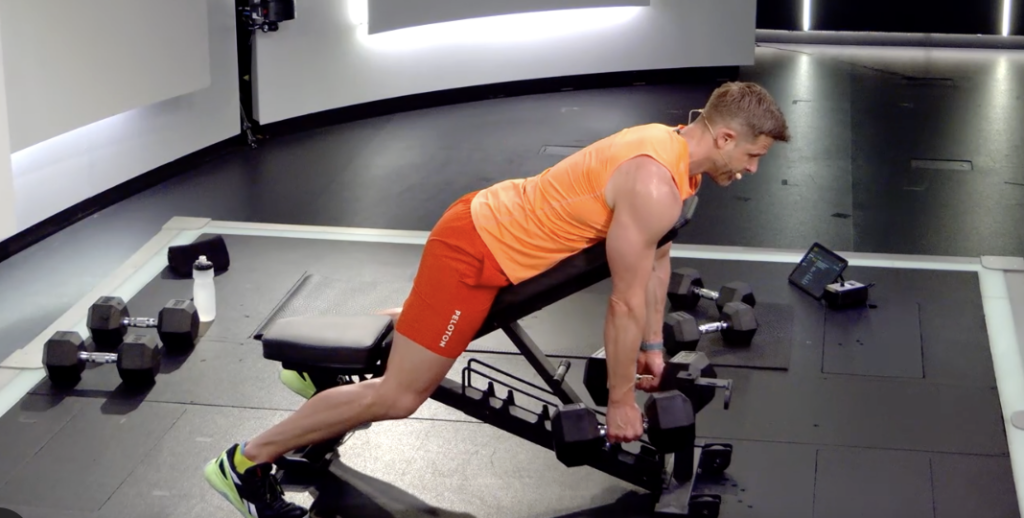
Chest-Supported Row Instructions
- Set bench to a slight incline and lie chest-down.
- Start with arms straight, shoulders relaxed.
- Row: pull elbows back at a 30–45° angle (not flared straight out).
- Pause 1 second at the top: shoulder blades squeeze together.
- Lower slow until arms fully extend.
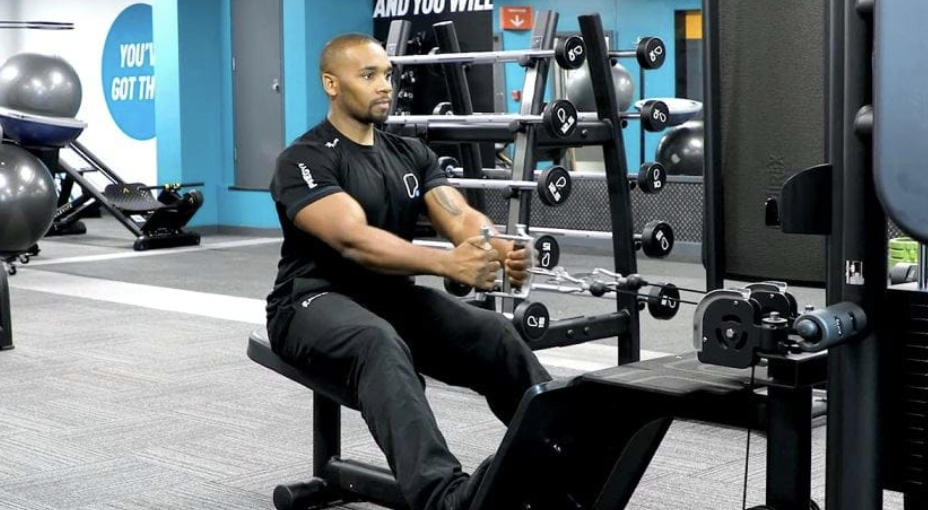
Seated Cable Row Instructions (alternative)
- Sit tall, brace abs.
- Pull handle to lower ribs/upper stomach.
- Don’t lean way back; keep it controlled.
Cue: “Pull with elbows, not hands.”
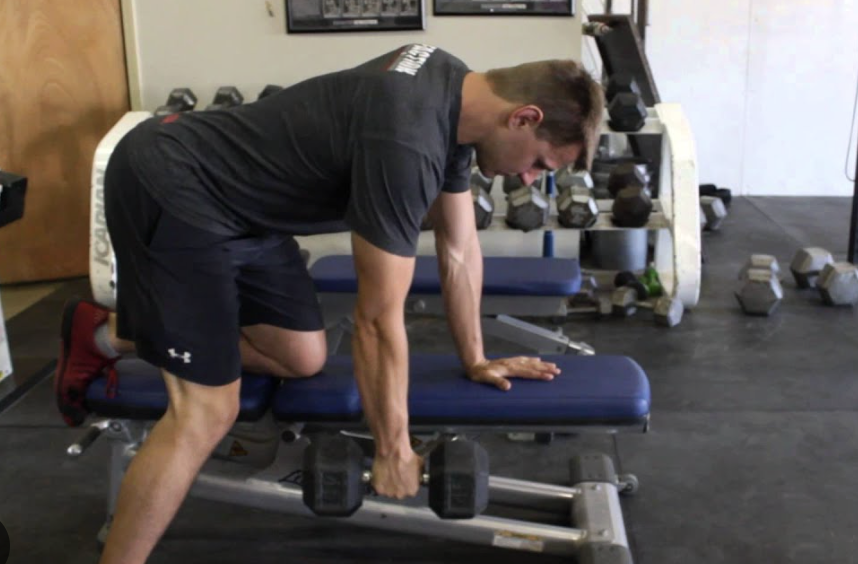
3) One-Arm Dumbbell Row — Lats + Stability
3 sets of 10–14 reps each side
Rest 60–90 seconds
One-Arm DB Row Instructions
- One knee/hand on a bench, back flat.
- Dumbbell starts under shoulder, arm long.
- Row: pull elbow toward your hip (not straight up to your armpit).
- Pause and squeeze the lat.
- Lower slow until your shoulder stretches slightly forward.
Common mistake: twisting your torso to lift heavier. Stay square.
4) Straight-Arm Pulldown (Cable) — Lat Isolation (Big Finish)

3 sets of 12–15 reps
Rest 60 seconds
Straight-Arm Pulldown Instructions
- Grab the bar/rope, step back, hinge slightly.
- Arms stay nearly straight (soft elbows).
- Pull: drive the bar down to thighs using lats.
- Pause 1 second at bottom.
- Slow return until you feel lats stretch.
Cue: “Arms are hooks. Lats do the work.”
Biceps Block (Don’t Skip These)
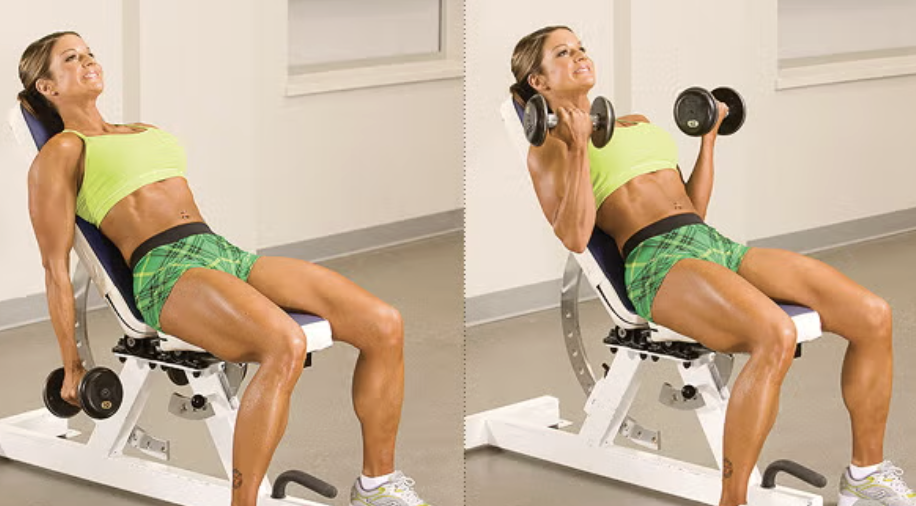
5) Incline Dumbbell Curls — Long Head (Peak + Stretch)
3 sets of 8–12 reps
Rest 60–90 seconds
Incline Curl Instructions
- Bench at 45–60°.
- Let arms hang behind your torso.
- Curl without swinging; elbows stay slightly back.
- Lower slow until you feel a stretch.
Tip: keep your wrist neutral (don’t bend it back).
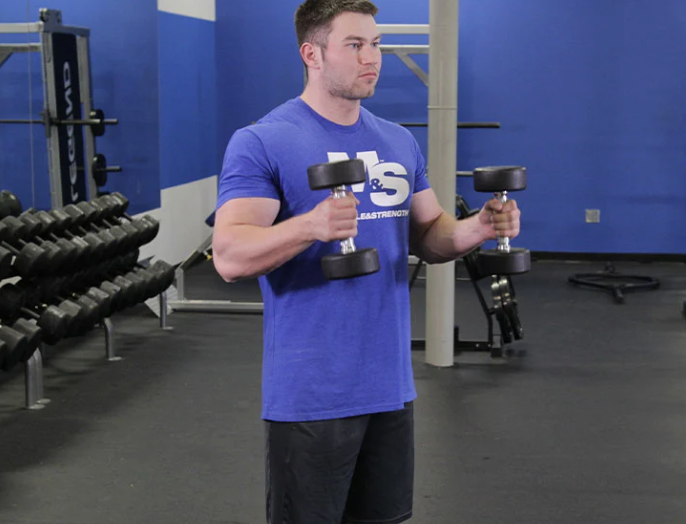
6) Hammer Curls — Biceps + Brachialis (Thickness)
3 sets of 10–12 reps
Rest 60 seconds
Hammer Curl Instructions
- Neutral grip (thumbs up).
- Elbows pinned near ribs.
- Curl up and slightly inward; squeeze.
- Lower slow and controlled.
Elbow-friendly: this is usually easier on elbows than straight-bar curls.
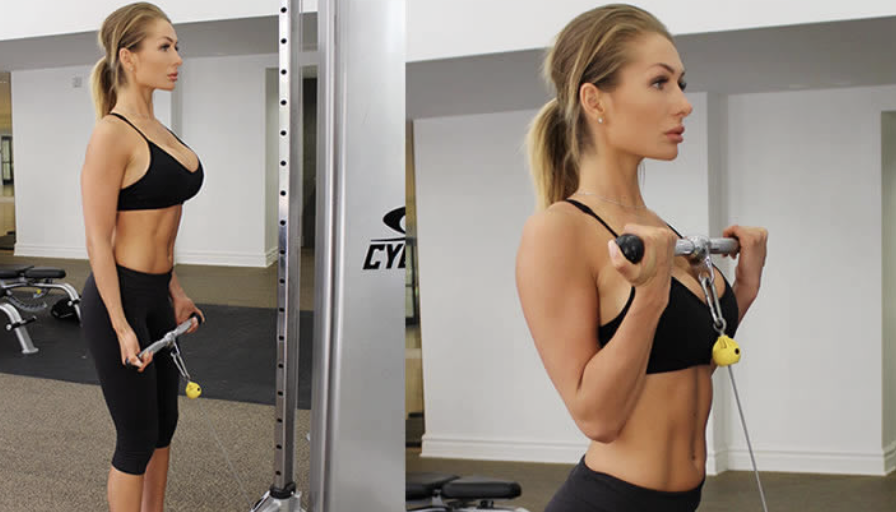
7) Cable Curls (or Preacher Curls) — Constant Tension Finisher
2 sets of 12–20 reps
Rest 45–60 seconds
Cable Curl Instructions
- Set cable low, use straight bar or rope.
- Stand tall, elbows slightly in front of body.
- Curl up, squeeze 1 second.
- Lower slow; don’t let shoulders roll forward.
Finisher goal: burn + pump, not max weight.
How Hard Should This Feel?
Use RPE (effort scale 1–10):
- Most sets: RPE 7–9 (you could do 1–3 more reps if you had to)
- Last set of each exercise: RPE 8–9 (close to failure with perfect form)
Progression (How to Keep Growing)
Pick a rep range. Example: 8–12 reps.
- When you can hit the top of the range on all sets with good form, add weight next time (usually 5 lbs upper-body, 2.5 lbs per dumbbell if possible).
- If weight jumps are big, add 1–2 reps first.
Common Mistakes (Fix These = Faster Results)
- Swinging on pull-ups/curls: slows growth and stresses joints.
- Shrugging during rows: turns it into traps/neck, not lats.
- Half reps: you want full stretch + full squeeze.
- Too much biceps too soon: back work first, then biceps finishers.
If You Want an “At-Home” Version (Minimal Equipment)
If you only have dumbbells + bands:
- Band lat pulldown (anchor high) – 4×10–15
- One-arm DB row – 4×10–14
- DB reverse fly or band face pull – 3×12–20
- DB curls – 3×8–12
- Hammer curls – 3×10–12
- Band curls – 2×15–25